 DuneTribe4x4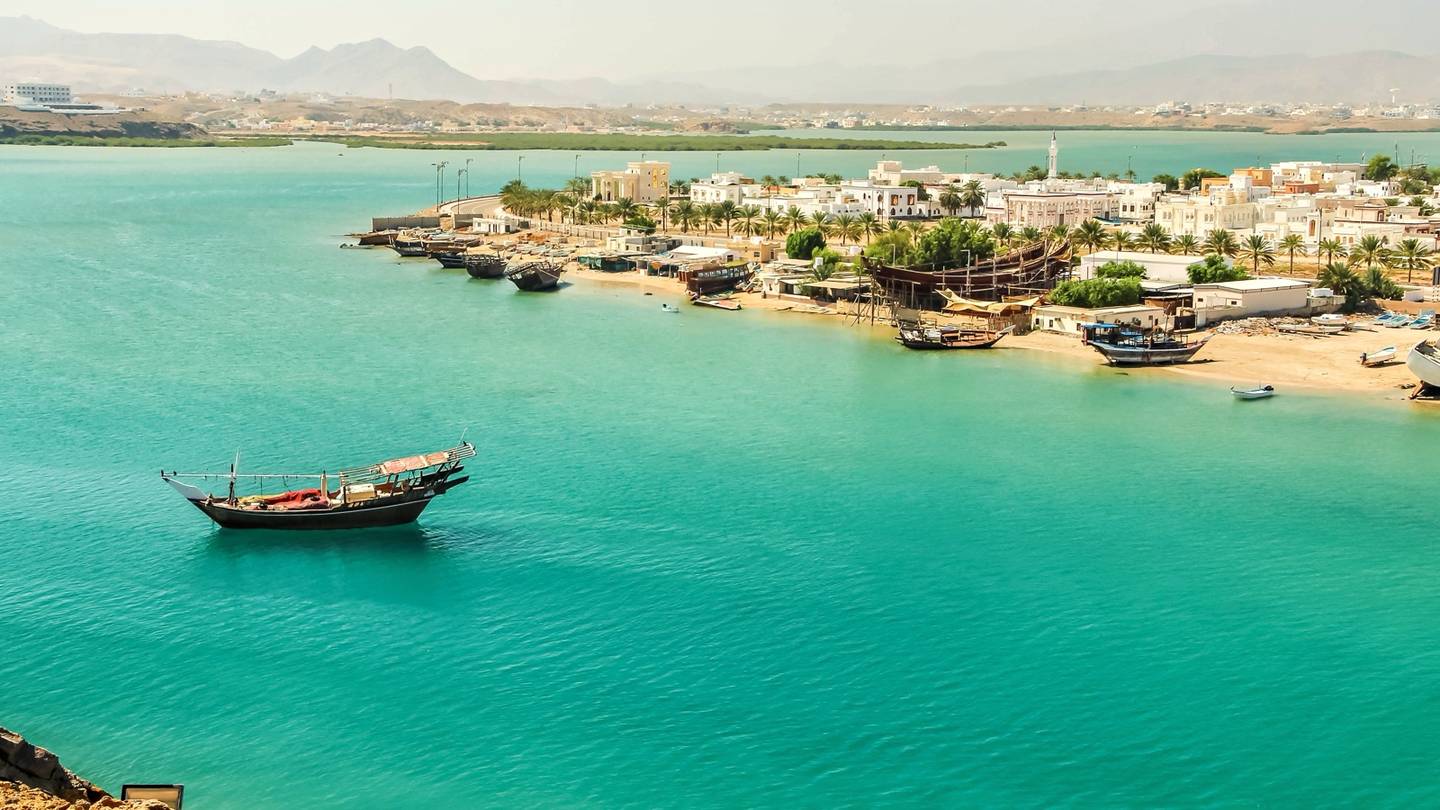
Oman's south coast by 4x4: Sur, Ras al Jinz and the Sugar Dunes in 5 days
Sur · Ras al Jinz · Sugar Dunes
Photo: Dr. Thomas Liptak · CC BY-SA 4.0
This route leaves Muscat along the coast to Ras al Hadd, where the Gulf of Oman meets the Arabian Sea. From there it follows the Arabian Sea south to the Sugar Dunes near Al Khaluf, where white dunes run down to the sea. In five days you swim in a wadi, watch wooden dhows being built in Sur, look for nesting green turtles at Ras al Jinz and sleep in your roof-top tent on quiet beaches and between dunes.
The first three days are easy. The roads are good, the distances are short and there are towns with shops and fuel. The south is different. Villages are far apart, the mobile signal can be weak, and the classic way into the Sugar Dunes is about 15 km of beach and sand that you should drive only around low tide. A dirt track from the south avoids the beach. The way back to Muscat is one long day on Route 32 through the interior.
With four days, skip the optional day 3 at Al Ashkharah. With a sixth day, add a night at a desert camp in the Wahiba Sands on the way back.
Day by day
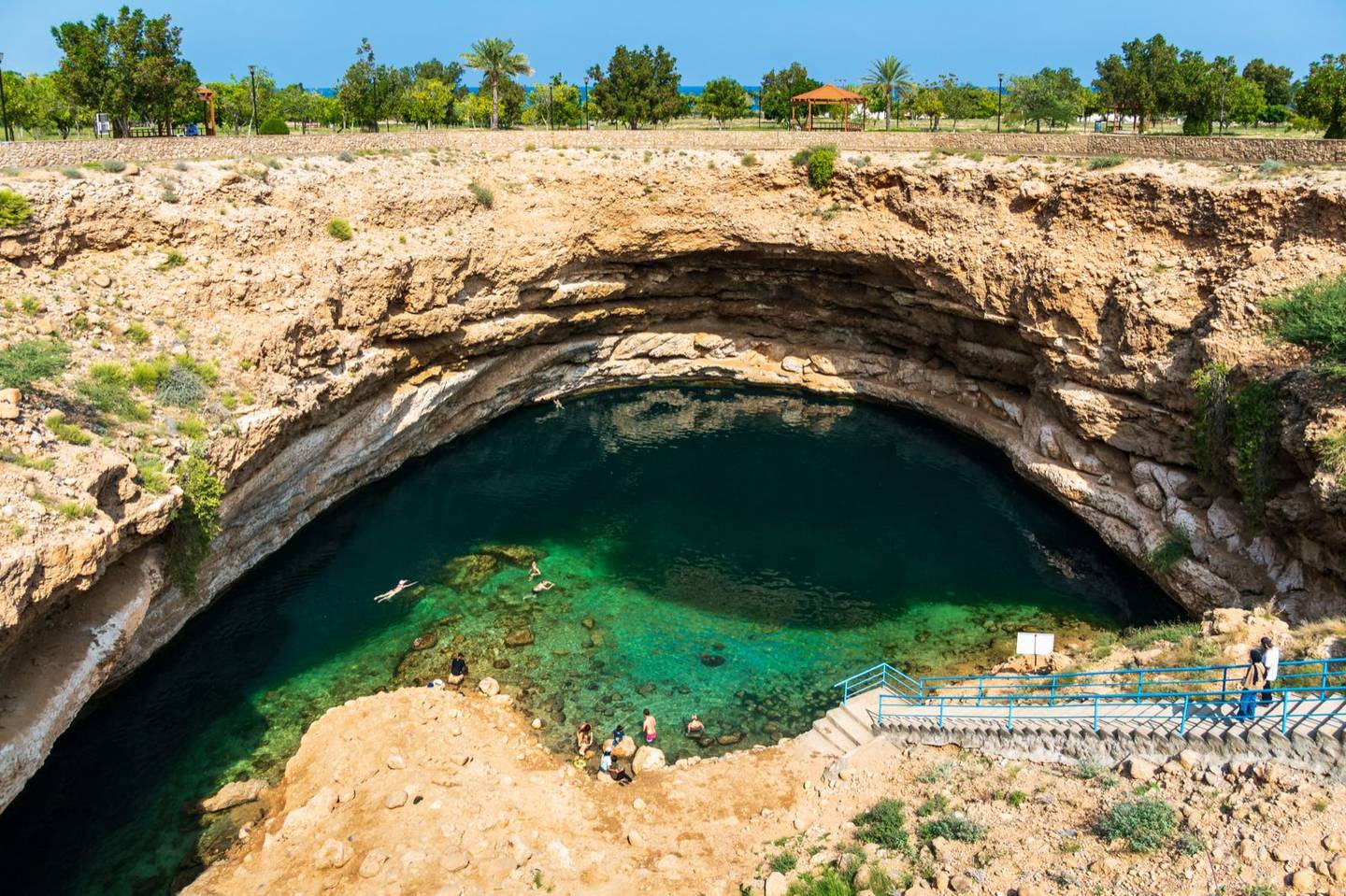
Photo: dconvertini · CC BY-SA 2.0
Day 1 · Muscat to Bimmah Sinkhole and Fins Beach
Collect your car at the airport or at your hotel. Before you leave, ask our team to show you the roof-top tent, the fridge and the compressor. Buy food and water in Muscat, because the shops get smaller further south. Then take the A2 (Route 17) out of the city. The highway crosses bare mountains and reaches the coast near Quriyat. Swim in the Bimmah Sinkhole in the afternoon and arrive in Fins before sunset.
- Supermarkets in Al Amerat — Large supermarkets on the A2 as you leave Muscat. Buy food and drinking water for at least three days and fill the tank.
- Bimmah Sinkhole (Hawiyat Najm Park) — A limestone sinkhole with clear turquoise, slightly salty water inside a small park. Stairs lead down to the water. In 2025 entry was free and the park was open about 8:00 to 20:00; check before you go. Swim in modest swimwear or a T-shirt and shorts.
- Fins Beach — White sand and dark rocks along the sea. Walk along the shore at sunset.
Where to sleep: On firm ground behind the beach at Fins, at least 10 m back from the shoreline and at least 100 m from houses, away from fishermen's boats. Fins is in Muscat Governorate: you may camp for up to 48 hours without a permit, longer stays need a Muscat Municipality permit, and fires and barbecues are not allowed on the beach. Weekends (Friday and Saturday) are busy.Tip: Open and close the roof-top tent once at the handover, in daylight. Then it takes only a few minutes on the first evening.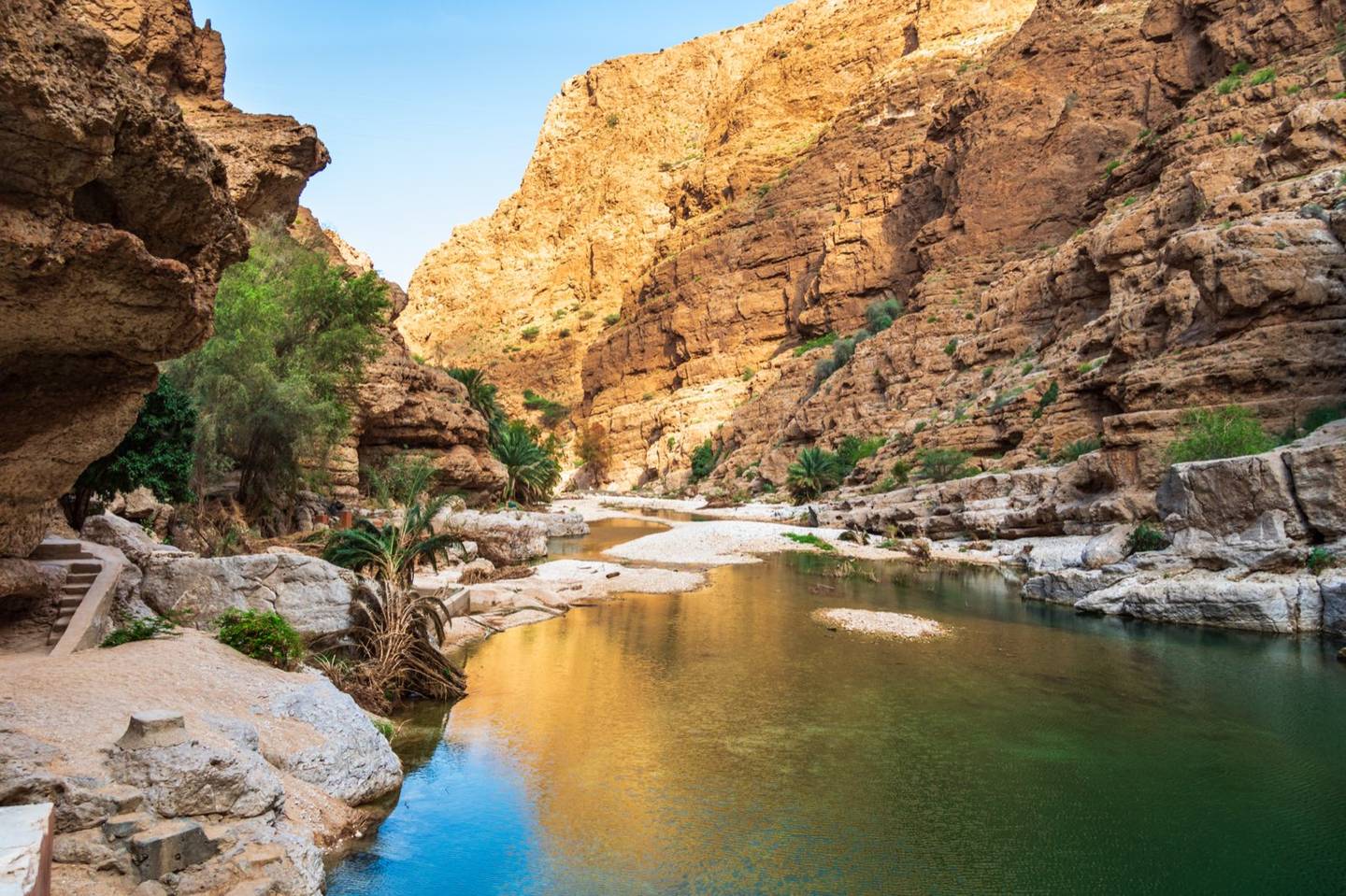
Photo: dconvertini · CC BY-SA 2.0
Day 2 · Wadi Shab, Sur and the turtles of Ras al Jinz
Leave early and be at the Wadi Shab car park around 8:00, when the boats start running. In the morning the wadi is quiet and cool. After lunch, drive past Qalhat to Sur. In the boatyard by the lagoon, carpenters still shape wooden dhows the traditional way. Cross the bridge to Al Ayjah for the lighthouse and the view back over the old town. In the late afternoon, continue to Ras al Hadd at the eastern tip of Oman. Have dinner there and arrive at the reserve by 20:30 for the night tour.
- Wadi Shab — A short boat ride across the water (about OMR 1 per person return in 2026; boats run from about 8:00 to 17:00), then 45 to 60 minutes on foot each way past palm gardens and cliffs to green pools. Strong swimmers can continue to a cave with a small waterfall. Wear shoes that can get wet, and do not go in if rain is forecast.
- Qalhat — A UNESCO site with the early 14th-century mausoleum of Bibi Maryam. The site has been closed for excavations in recent years, but you can see the mausoleum from the barrier. Check before you go.
- Sur dhow yard and Al Ayjah lighthouse — Watch wooden dhows being built, see the restored Fatah Al Khair dhow, then cross the bridge to the white lighthouse of Al Ayjah. Ask before you photograph people.
- Ras al Jinz Turtle Reserve — Guided night tour from 21:00 (arrive by 20:30). A reserve guide leads small groups onto the beach to watch green turtles nest. Plan about 1.5 to 2 hours. The guides use red torches only: no flash and no phone lights. Times can change with the season, so confirm them when you book.
Where to sleep: Not on the beach. The coast from Ras al Hadd to Ras al Jinz is a protected turtle reserve: camping on the nesting beaches at night and driving on the beach are prohibited, and at night you may go onto the nesting beaches only with a reserve guide. Choose your spot in daylight, before the tour: flat gravel ground several kilometres inland, outside the reserve and away from villages, farms and wadi beds. Drive there slowly after the tour. If you prefer not to drive after dark, book a room or eco-tent at the reserve (room rates include the night and dawn turtle tours) or a hotel in Ras al Hadd.Tip: Book the turtle tour before your trip, online, by phone or by email; the contacts are on the reserve's official website. Places are limited, so book early for weekends and holidays.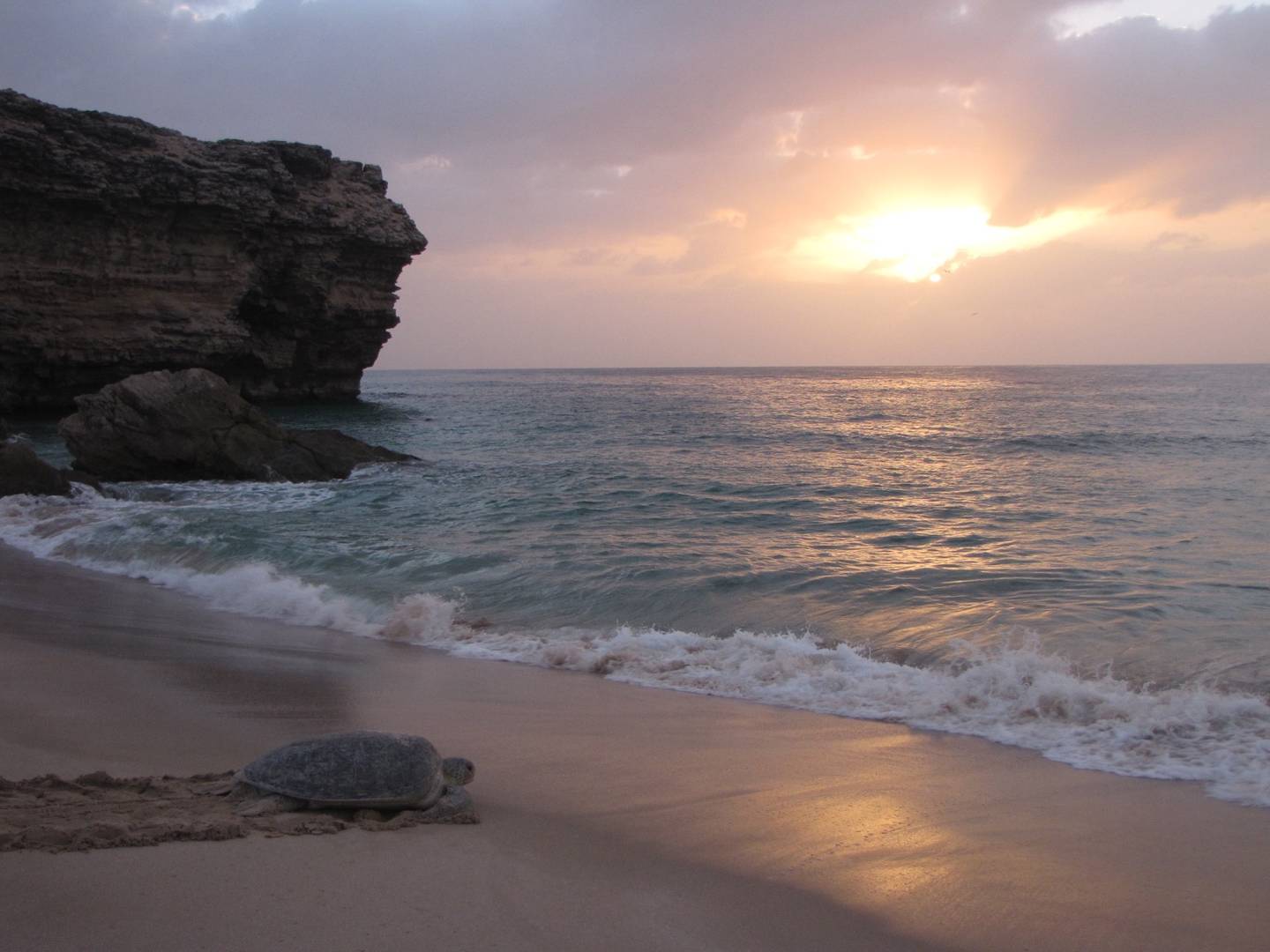
Day 3 · Ras al Jinz to Al Ashkharah (optional)
A slow day after the late night. If you saw no turtles, join the dawn tour at 5:00 (a separate ticket unless you stay at the reserve). Then follow the coast road south. The first beaches south of Ras al Jinz are still part of the turtle reserve, so stay on the road. Al Ashkharah is a fishing town with boats pulled up on a long, open beach. Spend the afternoon by the sea, or drive about 40 km inland to the old town of Jalan Bani Bu Ali. With only four days, skip this night: leave Ras al Jinz by 7:30 and drive straight to the Sugar Dunes (about 380 km by the beach route, about 6.5 hours), so you cross the sand in daylight.
- Ras al Jinz dawn tour — Starts at 5:00; arrive by 4:45. You may see the last turtles going back to the sea and, in season, hatchlings.
- Al Ashkharah — Fishing harbour and kilometres of sandy beach on the Arabian Sea. The coast is often windy: swim only when the sea is calm.
- Jalan Bani Bu Ali — Old town with a crumbling fort and Jami al Hamoda, a mosque with 52 small domes. Non-Muslims may not enter the mosque; see it from outside.
Where to sleep: On firm ground behind the beach south of Al Ashkharah town, out of sight of houses and away from fishing boats and nets. Park above the high-tide line and do not drive on the soft beach sand. If you see turtle tracks, move further away and keep your lights off towards the sea.Tip: Fill the tank in Al Ashkharah. Further south the coast road has only two small stations (near Ras Jibsh and Al Khuwaymah, about 55 and 70 km south), then none for about 130 km until Hij (Mahout).Day 4 · Al Ashkharah to the Sugar Dunes of Al Khaluf
Today you leave the busy coast. Road S42 runs for about 200 km between the edge of the Wahiba Sands and the Arabian Sea, past small fishing villages. In Hij, fill the tank and buy fresh food and water. In Al Khaluf, check the tide and lower the tyre pressure. Two ways lead to the dunes. The beach route from Al Khaluf runs about 15 km on the sand and should be driven only around low tide. An easier dirt track comes from the south past the salt works and does not use the beach. If this is your first time on sand, take the southern track. The Sugar Dunes are dunes of very fine, almost white sand right next to the sea.
- Hij (Mahout) — The last town with shops and several fuel stations before the dunes.
- Al Khaluf — A small fishing village with a small fuel station that keeps irregular hours. Check the tide and lower the tyre pressure to about 1.4 bar (20 psi). At low tide you can also visit Humrat Cave on the nearby coast.
- Sugar Dunes — Park on firm ground at the edge of the dunes and walk up. The light is best at sunset and sunrise. Swim only when the sea is calm.
Where to sleep: On firm sand between the dunes and the beach, well above the high-tide line, with a dune between you and the wind. Do not drive onto the dunes; walk up them. There are no facilities: take all rubbish with you, including toilet paper.Tip: Reach Al Khaluf by early afternoon. Never drive on the beach in the dark. If the tide is high, wait, or use the southern track.
Photo: Simo.Albo80 · CC BY-SA 4.0
Day 5 · Sugar Dunes to Muscat on Route 32
This is the longest day, so start at first light. Leave the dunes in daylight, by the beach at low tide or by the southern track, and inflate the tyres again before the asphalt. Route 32 crosses a wide, flat desert plain with little traffic. Take a break every two hours. After Sinaw the road climbs slowly towards the mountains and Muscat. Return the car at the airport or at your hotel. With a sixth day, go to a desert camp in the Wahiba Sands instead: from Sinaw drive via Al Mudhaibi to Bidiyah (about 380 km from the Sugar Dunes) and use only the marked tracks to your camp. Muscat is then about 200 km away.
- Fuel on Route 32 — Stations at the Al Jouba roundabout, at Madayrah and further north are up to about 90 km apart. Fill up whenever you pass one.
- Sinaw — A market town at the edge of the desert. Its souq is liveliest early on Thursday, the day of the livestock auction.
- Muscat — Return the car at the airport or at your hotel. If you have time, end the trip at the Mutrah corniche.
Where to sleep: No camp tonight. You return the car in Muscat. If you stay another night, book a hotel.Tip: Inflate the tyres to road pressure with the car's compressor before you reach the asphalt. The correct pressure is on the sticker in the driver's door.
Which car?
The Toyota Land Cruiser Prado (OMR 75 per day) is the better fit: this route has long asphalt days of up to about 465 km, the Prado is quieter and more comfortable at highway speed, and it has more space for luggage and four people with the optional ground tent. The Jeep Wrangler 4-door (OMR 55 per day) also handles the Sugar Dunes sand well and suits a couple who want a lower price.
Practical tips
- Sand and tyres: before soft sand, lower the tyre pressure to about 1.4 bar (20 psi). Drive slowly and steadily, and do not stop on soft sand. Inflate the tyres again with the compressor before the asphalt. Never drive on dune slopes.
- Tides: check the tide table for Al Khaluf or Filim on a tide website or app before the beach section. Drive on the beach only around low tide, in daylight, and on the firm wet sand, not on the dry upper beach where turtles nest. Camp above the line of dry seaweed, which shows the last high tide.
- Heat and sun: even in winter the midday sun is strong. Walk in the morning, wear a hat and use the hottest hours for driving.
- Water: carry at least 5 litres of drinking water per person per day, plus a reserve in the car. Shops are few between Al Ashkharah and Sinaw.
- Fuel: fill up whenever the tank is half empty. There are stations in Sur, Ras al Hadd and Al Ashkharah. South of Al Ashkharah there are only a few small ones, and the longest gap on the coast road is about 130 km before Hij (Mahout). On Route 32 stations are up to about 90 km apart. The small station in Al Khaluf has irregular hours.
- Tickets: book the Ras al Jinz turtle tour in advance. In October 2026 the reserve's website listed OMR 12 per tourist adult and OMR 6 per child aged 6 to 12 (under 6 free). The Wadi Shab boat was about OMR 1 return, and Bimmah was free in 2025. Prices change: check before you go.
- Dress code: cover shoulders and knees in towns and villages. At Wadi Shab and Bimmah, swim in modest swimwear or shorts and a T-shirt. Ask before you photograph people.
- Offline maps: the mobile signal is weak or absent around Al Khaluf and on parts of Route 32. Download offline maps and the tide times in Muscat, before you leave.
- Camping: keep away from villages, farms and private land, and never camp in a wadi bed. Take all rubbish with you. Cook on the gas stove: do not light fires on vegetation, and never cut or burn trees or bushes, which is illegal in Oman.
- Night driving: avoid driving after dark outside towns. Camels and goats cross the roads, and most rural roads have no lights.
Questions
Do I need a 4x4 for the Sugar Dunes in Oman?
For the classic route, yes: from Al Khaluf you drive about 15 km on the beach and soft sand, only around low tide and with lower tyre pressure. The southern dirt track past the salt works is easier and some visitors drive it in small SUVs, but the sand near the dunes is loose and conditions change after wind and rain. A real 4x4 with a compressor and a recovery kit gives you a safety margin. All our cars have both.
Do I need to book the turtle tour at Ras al Jinz?
Yes. Book before you travel, online, by phone or by email; the contacts are on the reserve's official website. At night you may go onto the nesting beaches of the turtle reserve only with a registered guide, and the guided tours at Ras al Jinz are how visitors do this. The night tour starts at 21:00 (arrive by 20:30) and the dawn tour at 5:00 (arrive by 4:45); times can change with the season. In October 2026 the reserve's website listed OMR 12 per tourist adult and OMR 6 per child aged 6 to 12. Check before you go.
When is the best time to see turtles at Ras al Jinz?
Green turtles nest at Ras al Jinz all year. The main season is May to September, when you can see many turtles in one night, but this is also the hottest time of the year. From October to April there are fewer turtles and a sighting is not guaranteed, but the weather is much better for camping. Eggs hatch about two months after nesting, so hatchlings are most likely from about July to November.
What is the best time to drive Oman's south coast?
October to April. November to March is the most comfortable, with warm days and mild nights by the sea. From May to September, temperatures inland often pass 40 °C. In winter, check the weather forecast before you go: heavy rain is rare, but it can flood wadis and turn tracks and salt flats soft.
Can you camp on the beach in Oman?
Yes. Wild camping on public beaches is common and generally allowed. Do not camp on the nesting beaches of the Ras al Hadd and Ras al Jinz turtle reserve, near villages, farms or private land, or in a wadi bed. In Muscat Governorate, which includes Bimmah and Fins, you may camp for up to 48 hours without a permit; longer stays need a municipal permit, and fires and barbecues on the beach are not allowed. Take all rubbish with you.
Can you camp in Wahiba Sands?
Yes. There are many desert camps in the north of the Wahiba Sands, reached from Al Wasil and Bidiyah, from simple to luxury; prices vary, so check before you go. With a DuneTribe4x4 car you may drive only on the marked tracks to the desert camps. Free driving on the dunes is not allowed. Ask your camp in advance if you can sleep in your roof-top tent on its site.
Ready to go?
Choose your dates. We hand over the car with the roof-top tent and the full camping kit at Muscat airport or at your hotel in Muscat.
More itineraries
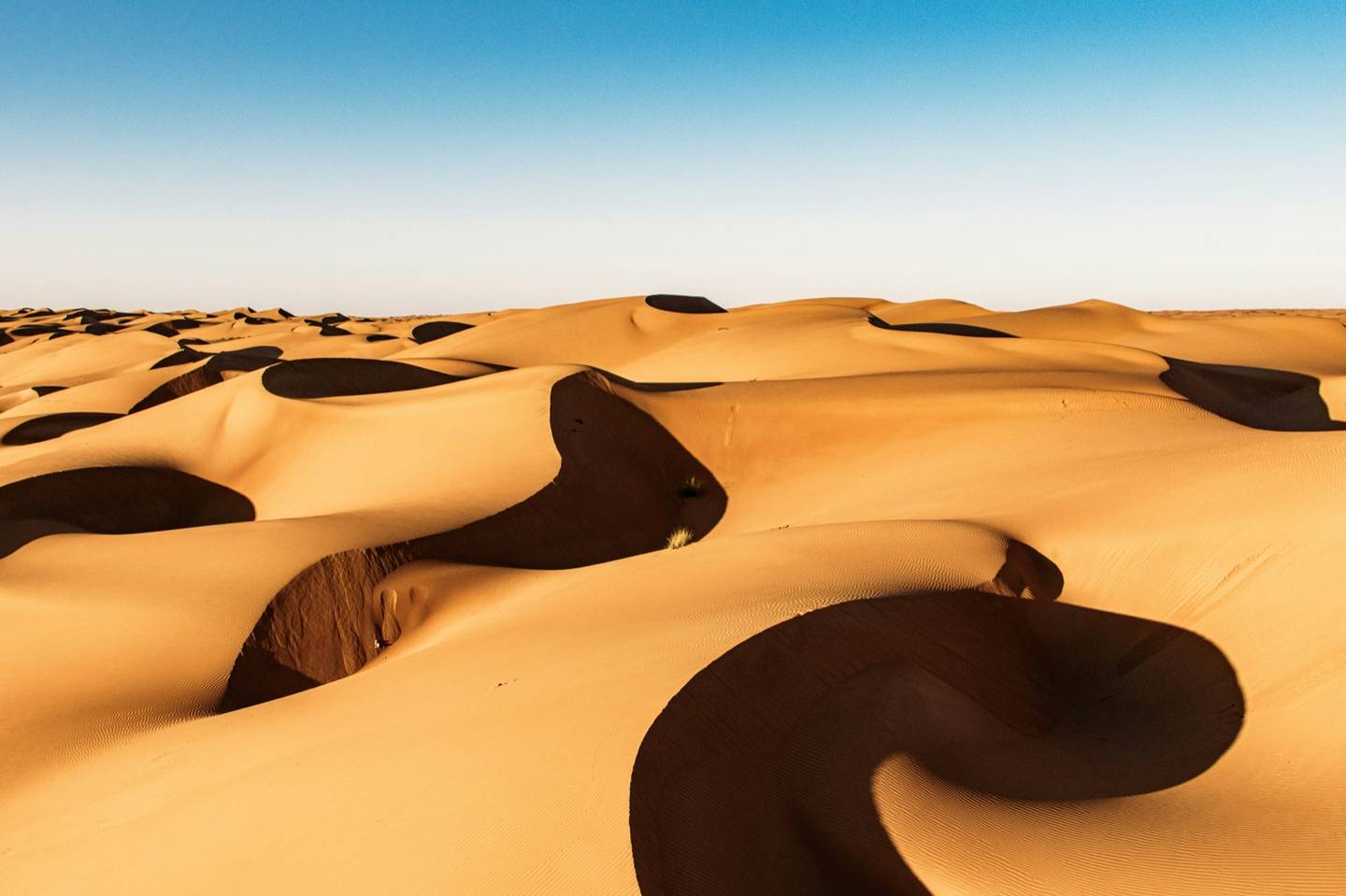 Dunes and wadisWahiba Sands · Wadi Bani Khalid · Sur
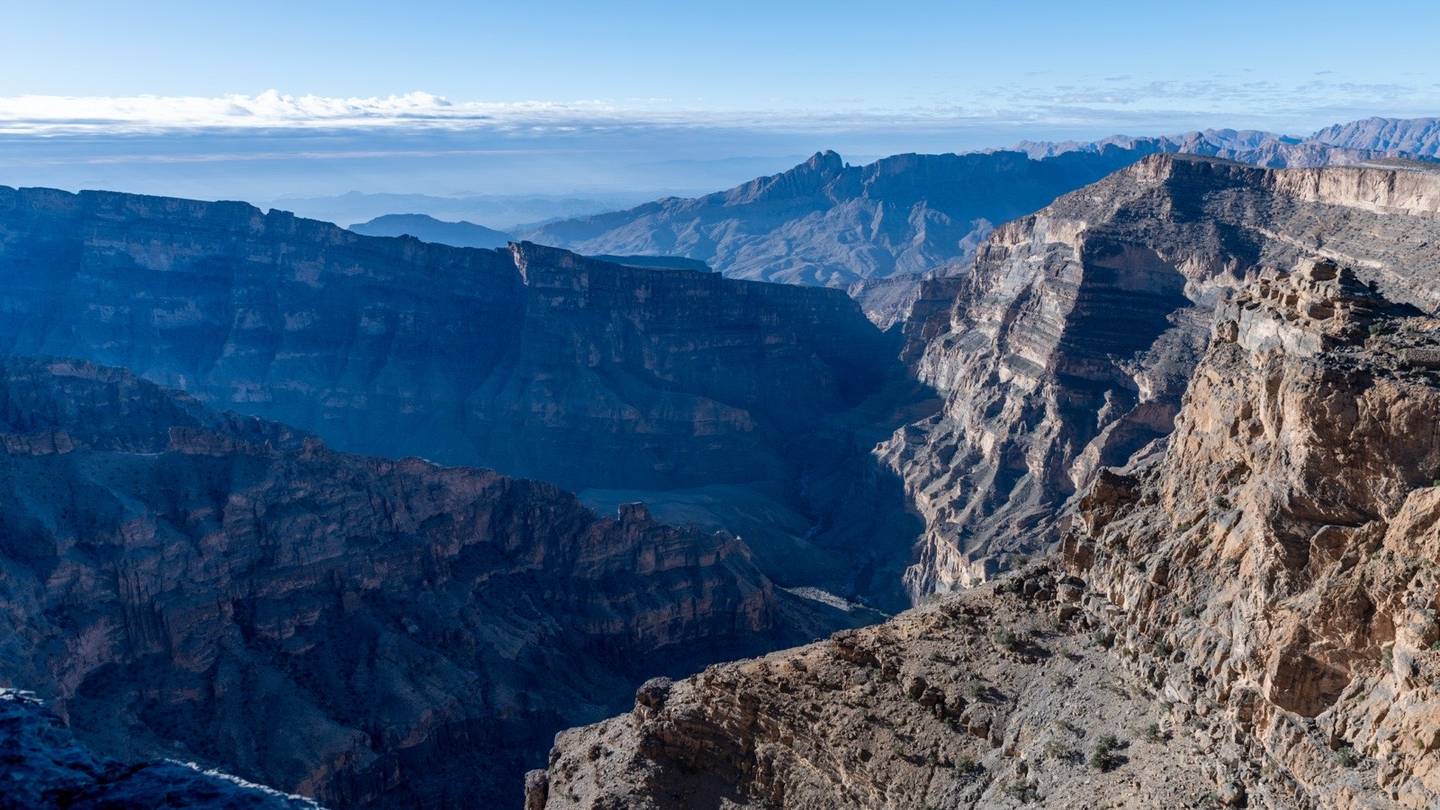 The mountain loopNizwa · Jebel Shams · Jebel Akhdar
Distances and driving times are approximate. Check road conditions, tides, weather and opening times before you go. Photos are licensed stock photos of the places, not of our cars.